From Ad Hoc AI to Controlled AI Actions: A Maturity Model for Navigating Non Determinism in Systems Engineering
As AI becomes embedded in systems engineering, non deterministic behavior is a defining challenge—demanding stronger control, accountability, and confidence. Ungoverned, ad hoc AI use can introduce uncertainty, inconsistent outcomes, and loss of engineering trust. This presentation introduces an AI in Systems Engineering Maturity Model that guides a structured transition to controlled, trustworthy adoption. The model defines seven maturity levels, from ad hoc external assistance to context aware decision support and ultimately controlled AI actions under explicit human oversight. Each level describes the required evolution across people, process, and tools, reflecting the socio technical nature of AI driven non determinism.
Rather than optimizing algorithms, the model focuses on preserving engineering control, traceability, verification, and accountability when AI outputs are probabilistic or emergent. Examples show how mature adoption supports requirements analysis, traceability reasoning, impact assessment, and engineering reviews—while keeping decision ownership and risk with human engineers. Participants will leave with a pragmatic way to assess current maturity and define a realistic roadmap for adopting AI as a controlled and reliable part of modern systems engineering practice.
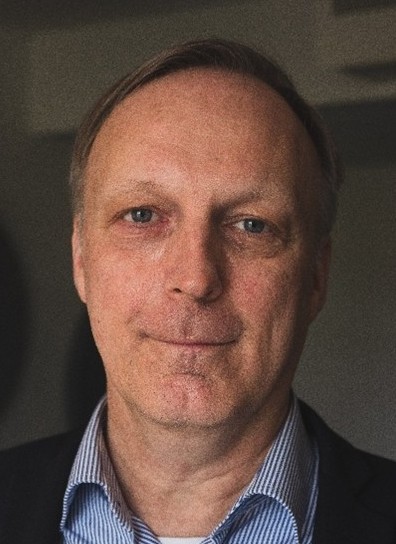
Anders Ekman is an experienced systems engineering practitioner with over 25 years of experience in requirements engineering and software‑intensive systems development. He works with organizations in regulated and complex engineering domains on improving engineering practices, tool ecosystems, and decision‑making under uncertainty. His current work focuses on AI‑enabled systems engineering and the development of maturity models that support consistent, accountable adoption of AI in engineering environments, informed by early experience with AI technologies in the 1990s.
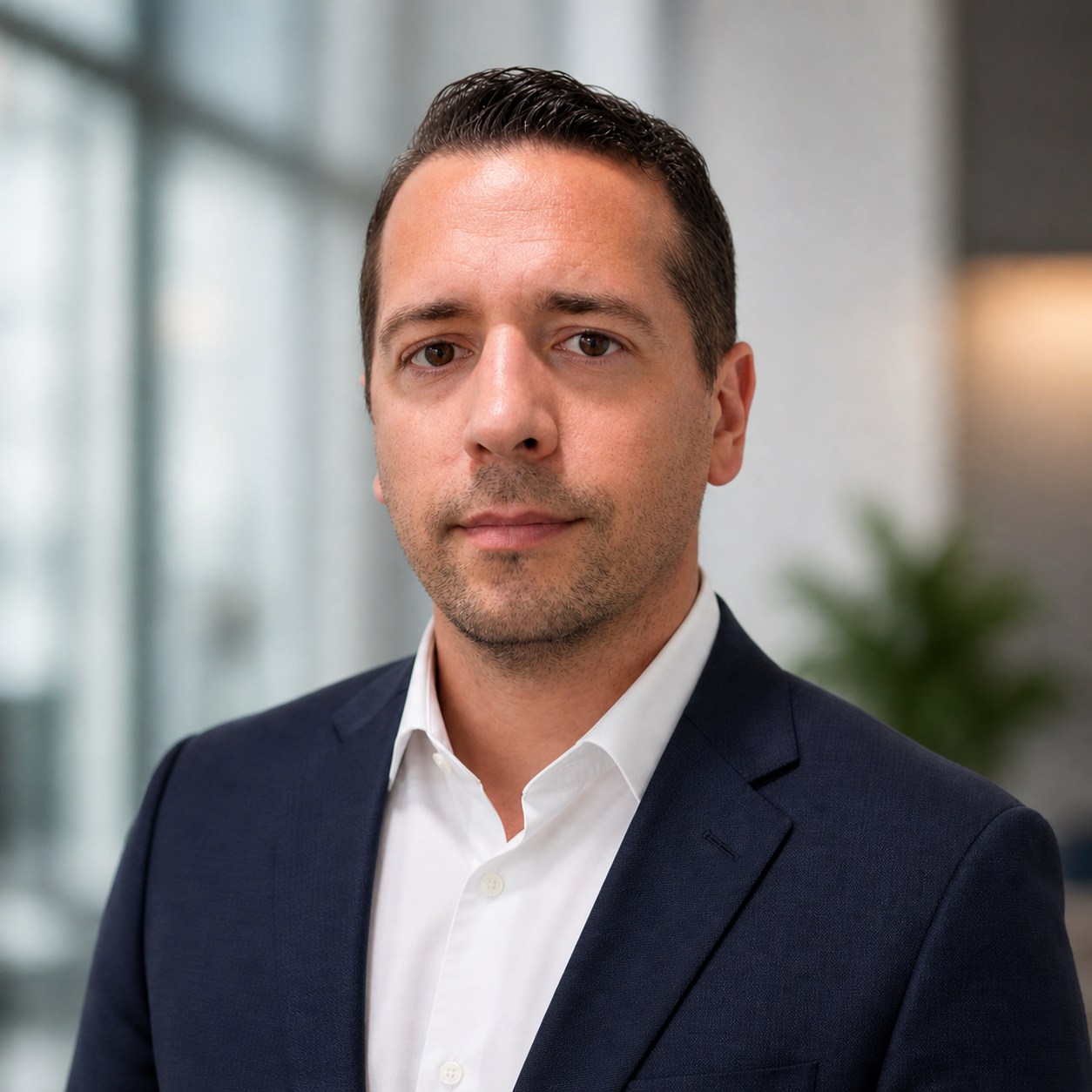
Simone Bernardi, PhD is an experienced systems engineering and requirements management practitioner with a focus on engineering tool environments and the practical adoption of new capabilities. He works with organizations through Celeris on applying and refining an AI maturity model in real engineering contexts, contributing hands‑on experience from presentation, discussion, and iteration with engineering teams. His current work is grounded in pragmatic, experience‑based guidance on how AI can be introduced and evolved in systems engineering environments.