From Functional Requirements to Bounded Behavior — Systems Engineering in the Age of AI
In this presentation, Andreas Spiess — veteran electronics maker, embedded systems practitioner, and one of the most trusted voices in the European maker and engineering community — brings the abstract conference theme down to earth (Zurich LakeSide) with his hard-won practical insight. Drawing on his direct experience integrating AI agents into real engineering workflows, the talk illustrates what agentic engineering actually looks like when it meets the complexity and messiness of the physical and AI-driven world.
The talk opens by naming the tension honestly: systems engineering's beloved V-Model was designed for determinism. But today's systems — driven by AI/ML, complex software stacks, autonomous behaviour, and volatile environments — no longer behave in ways any specification table can fully anticipate. This is the present condition, and the systems engineering community, including INCOSE's AI Systems Working Group, is already responding. To navigate it, the keynote distinguishes two fundamentally different cases that demand different engineering responses.
Case 1 — AI writes the code
In the first and increasingly familiar case, AI becomes part of the engineering workflow: writing specifications, generating implementation, tests, documentation, and debugging support under human supervision. Here, the V-Model remains valid. Specification, verification, validation, and the responsibility model do not disappear — only parts of the implementation work are delegated. The engineer's role moves up the abstraction ladder, from writing code to specifying intent and judging outcomes. He is promoted to a group leader for a bunch of AI agents.
What becomes more important is testing. Engineers now work with what the speaker calls open black boxes — code that is source-available but functionally opaque, because no human wrote it line by line. AI also gives engineers a powerful new tool: Enormous numbers of test cases can be generated and executed automatically. Spiess goes a step further and uses AI to scan the specification as well as the generated code for edge cases the specification did not foresee, then folds those into the test suite. He also talks about testing strategies of connected systems. New strategies are needed here because of the explosion of test cases.
Case 2 — AI becomes part of the delivered system
In the second case, AI replaces code inside the runtime. A model, prompt, agent, or classifier becomes part of the system's behaviour in production. The V-Model still provides useful lifecycle structure, but verification must change fundamentally. Engineers are no longer verifying deterministic logic; they must validate behaviour across probabilistic, changing, and sometimes non-reproducible operating spaces. The shift is from functional requirements — "the system shall do X" — to bounded behaviour: defining the operating envelope, the acceptable failure modes, and the guardrails within which a non-deterministic component is allowed to act.
The constant: testing discipline and human responsibility
Across both cases, one credo holds tighter than ever: if it is not tested, a system has to be considered not working. This principle, always sound in systems engineering, becomes existential when working with AI. Probabilistic components punish optimism; only evidence counts.
And in both cases, responsibility remains human. AI systems cannot be sued. Engineers, organizations, and decision-makers remain accountable for what is specified, released, operated, and accepted. The role has not disappeared — it has evolved. We are no longer reviewing code. We are specifying and bounding behaviour, and we are responsible for the result.
The keynote closes with a practical framework for systems engineers stepping into this new reality: a structured agentic engineering loop that keeps the human firmly in control, and a clear-eyed view of where AI delivers genuine leverage — and where human judgment remains in charge.
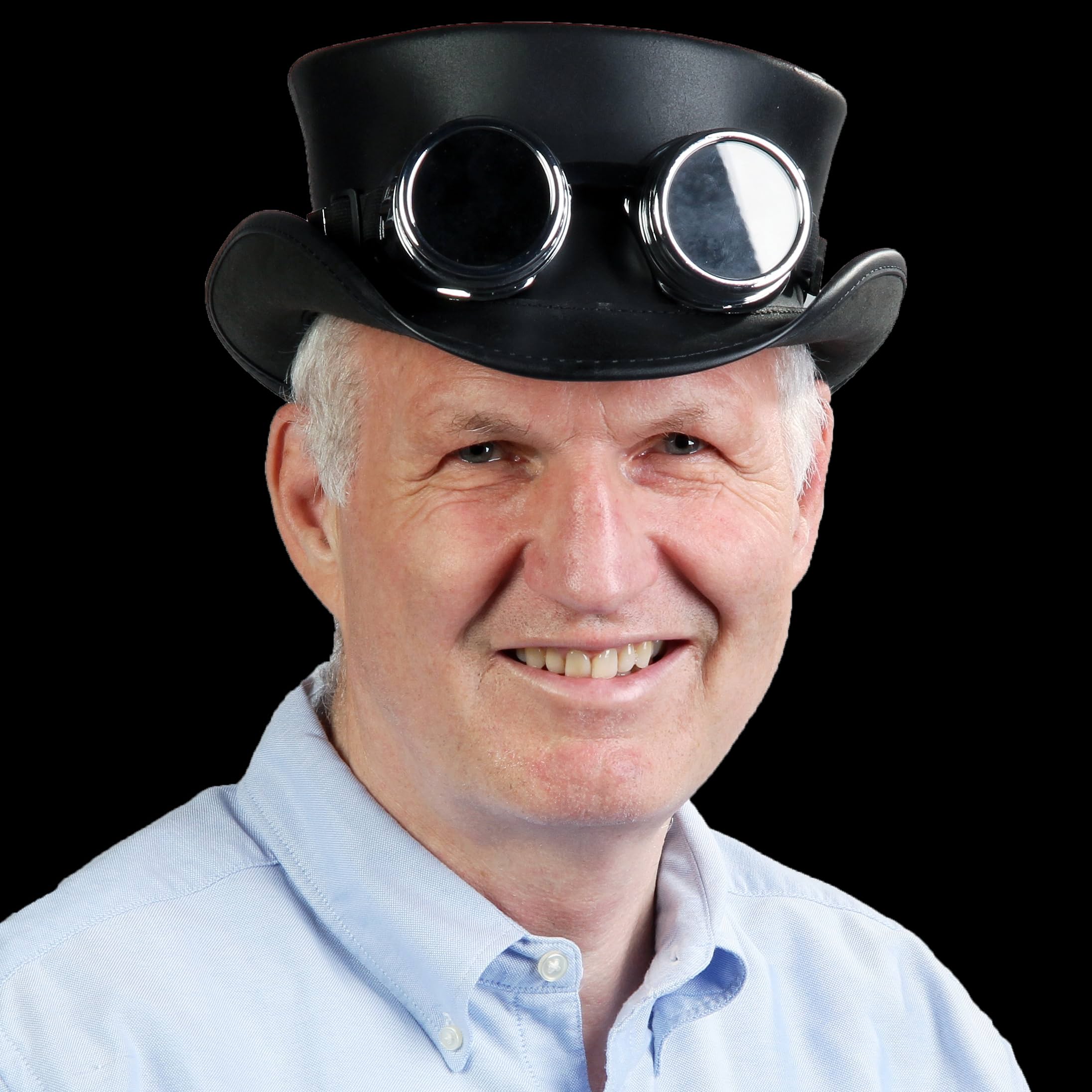
Andreas Spiess is a Swiss electronics engineer, business leader, and technology communicator based in Basel. He holds a Master’s degree in Electronics and a Master in Business Administration from ETH Zurich. Over his career, he held senior roles at Gretag, Digital Equipment Corporation, SAP Switzerland, and Arumba GmbH, including almost 15 years at SAP in leadership positions such as Director e-Business, Head of Business Consulting, and Head of Active Global Support.