Is SysML v2 a Game Changer — or Just a Deeper Silo?
Systems engineering has long sought determinism through structure: rigorous requirements, traceable designs, and verified outputs. But the engineering
reality is shifting. AI integration, autonomous systems, and radically different project execution philosophies are making non-determinism the norm rather
than the exception.
This presentation explores whether SysML v2 — formally standardised in 2025 — is equipped to help systems engineers navigate this new reality, or whether it
simply deepens an existing silo.
We contrast three project execution philosophies: Agile, the traditional V-Model, and a mission-driven, physics-first approach that treats failures as data
and requirements as hypotheses. Against this backdrop, we examine what SysML v2 genuinely changes: formal semantics, machine-readable textual notation, and
a standardised API that — for the first time — allows AI agents to read, write, and reason over system models.
This leads to three open hypotheses: SysML v2 as an incremental human tool, as an enabler of human-AI collaboration at scale, or as irrelevant in the face
of approaching AGI.
Attendees will leave with some inputs for SysML v2 and an open question.
The author used the Claude AI system (Anthropic) to support idea exploration, text drafting, and refinement. All final content was reviewed and approved by the author.
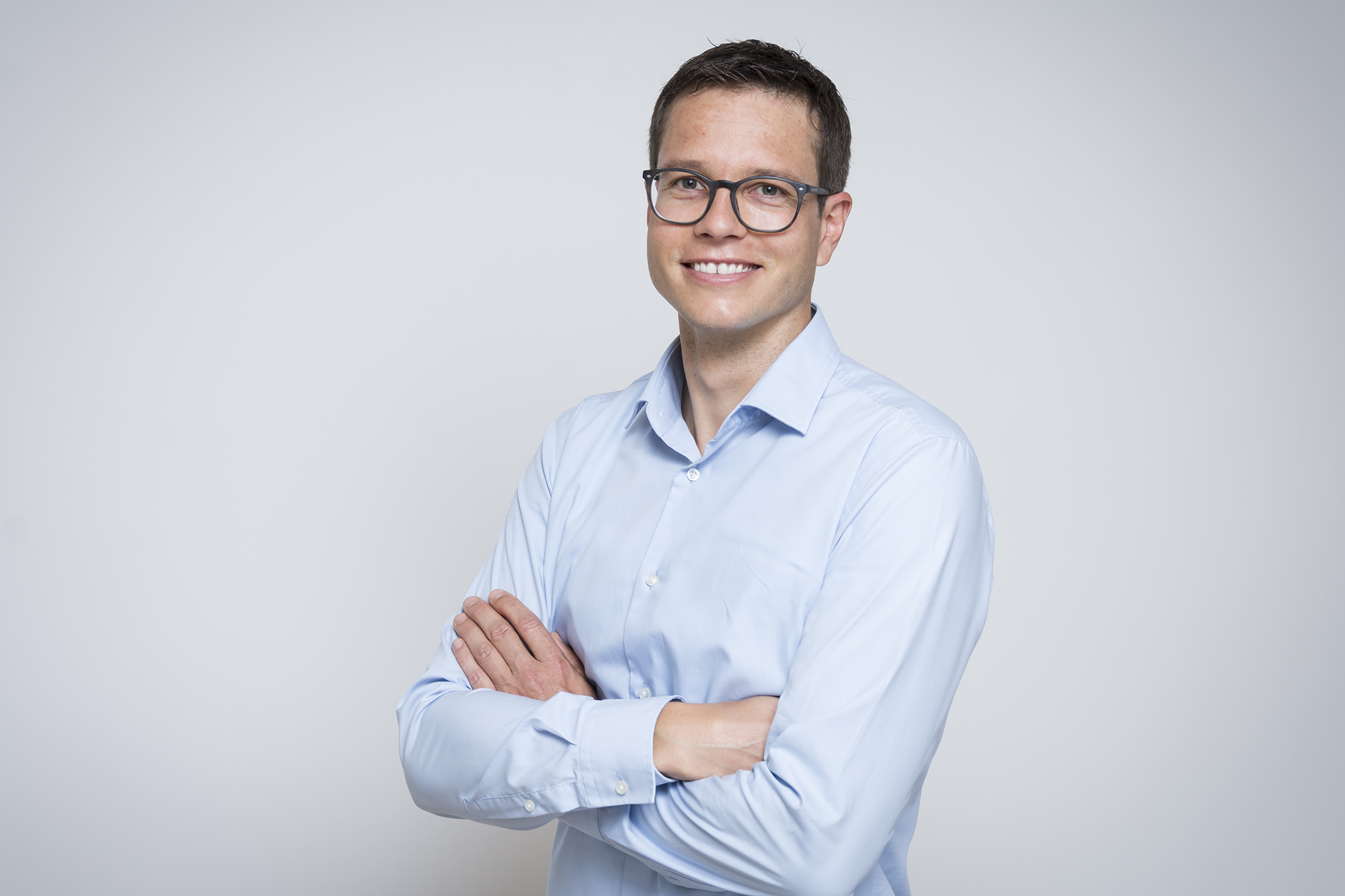
Gregor Schütz is a Principal R&D Engineer in Automation at ABB Industrial Automation, where he serves as Mining Automation Architect and global productmanager for the Minerals Library. He holds a Master's degree in Microengineering from EPFL and conducted his master's thesis on Life Cycle InventoryModelling using SysML at Georgia Tech. With over a decade of experience in process control, distributed control systems, and model-based systemsengineering, he has worked on large-scale industrial projects across Europe, Asia, and Brazil.